
Currently Empty: €0.00
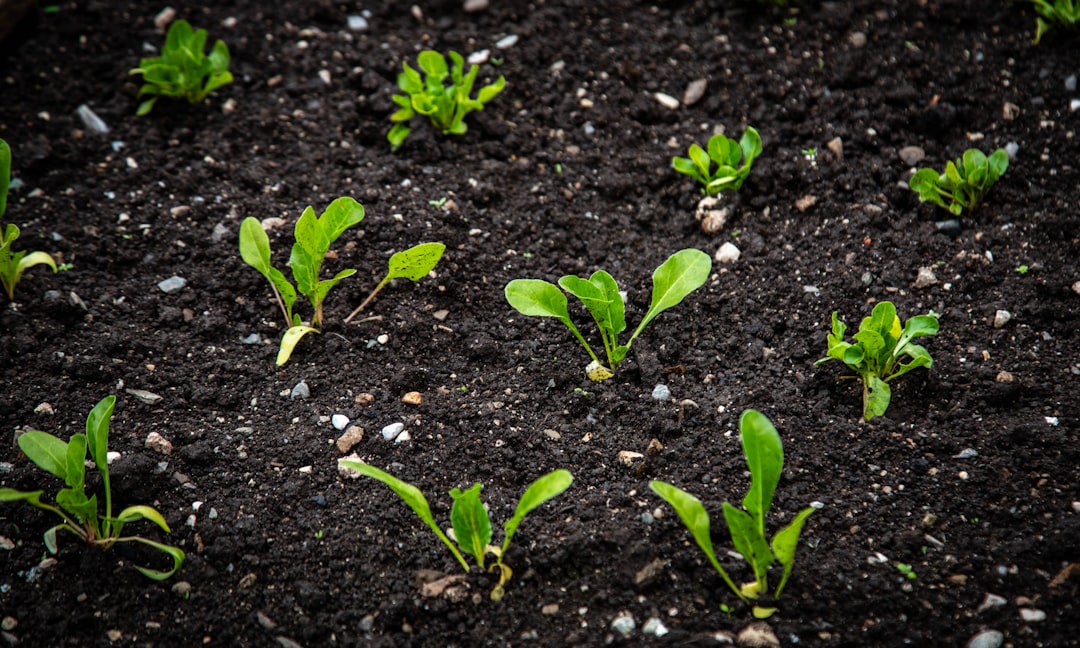
In the ever-evolving world of gardening, the shift towards sustainability is not just a trend; it’s a movement that is reshaping how we cultivate our green spaces. As we look ahead to the upcoming year, 2024, one of the most significant innovations in gardening will be the increased adoption of organic fertilizers. This shift is not merely about avoiding synthetic chemicals; it’s about embracing a holistic approach to gardening that nurtures the soil, plants, and the environment.
Organic fertilizers, derived from natural sources such as plant and animal matter, are gaining traction among gardeners for a multitude of reasons. They not only enhance soil health but also promote biodiversity, making them a cornerstone of sustainable gardening practices. As we delve into the benefits of using organic fertilizers, it becomes clear that they are not just a choice but a necessity for the future of gardening.
One of the primary advantages of organic fertilizers is their ability to improve soil structure. Unlike synthetic fertilizers that can lead to soil degradation over time, organic options such as compost, manure, and bone meal enrich the soil with essential nutrients and microorganisms. This not only enhances the soil’s fertility but also its ability to retain moisture, which is crucial in an era where climate change is leading to unpredictable weather patterns. As gardeners increasingly seek to create resilient ecosystems, the role of organic fertilizers in building healthy soil cannot be overstated.
Moreover, organic fertilizers contribute to the long-term health of plants. They release nutrients slowly, providing a steady supply that aligns with the plants’ growth cycles. This slow-release mechanism reduces the risk of nutrient leaching, which is a common problem with synthetic fertilizers. As we move into 2024, the focus on plant health will drive more gardeners to consider organic options, as they seek to cultivate robust plants that can withstand pests and diseases without the need for harmful chemicals.
Another emerging trend in the gardening world is the integration of technology with organic practices. The rise of smart gardening tools and apps is revolutionizing how gardeners manage their plants and soil health. For instance, soil sensors can now provide real-time data on nutrient levels, moisture content, and pH balance, allowing gardeners to make informed decisions about when and how to apply organic fertilizers. This fusion of technology and organic gardening not only enhances efficiency but also empowers gardeners to take a more scientific approach to their practices.
As we look to the future, the demand for organic fertilizers is expected to surge, driven by a growing awareness of environmental issues and a desire for healthier food options. Consumers are becoming more educated about the benefits of organic produce, and this awareness is trickling down to gardening practices. In 2024, we can anticipate a rise in community-supported agriculture (CSA) programs and urban gardening initiatives that prioritize organic methods, further solidifying the role of organic fertilizers in modern gardening.
Additionally, the concept of regenerative gardening is gaining momentum. This approach goes beyond organic gardening by focusing on restoring and enhancing the ecosystem. Organic fertilizers play a crucial role in this process, as they help to sequester carbon in the soil, improve biodiversity, and promote a balanced ecosystem. As more gardeners adopt regenerative practices, the use of organic fertilizers will become even more prevalent, marking a significant shift in how we approach gardening.
In conclusion, the benefits of using organic fertilizers in your garden are manifold, ranging from improved soil health to enhanced plant resilience. As we step into 2024, the trends of technological integration and regenerative gardening will further elevate the importance of organic fertilizers. Embracing these practices not only supports personal gardening goals but also contributes to a larger movement towards sustainability and environmental stewardship. For those looking to cultivate a thriving garden, the choice to use organic fertilizers is not just beneficial; it’s essential for the future.